Victory Gardens
Covid-19 gripped the world and brought home the point of knowing, or not-knowing as was the case in the early months, where most of our food supply comes from. 2020 became the year that heralded the return of the Victory Garden. With supply chain interruptions and contamination fears in abundance, it spurred a gardening renaissance akin to that of World War II Victory gardens.
During the war years, Americans came together, eager to do their part to support the war effort. Paramount was that our soldiers overseas have a steady supply chain. Items such as eggs, produce, meat, silk stockings-as silk was needed for parachutes- and metal of all kinds were rationed.


Less produce consumed at home meant more could be processed and sent overseas to our troops. This vital support system was the social-distancing of the war years. Ration booklets did not adequately supply an average family. Families turned to home gardening to meet food needs and the Victory garden was born. The U.S. government jumped in to promote Victory gardens as a way for the home front to contribute to the war effort.
Pandemic victory garden
Early in the fall of 2019, I decided to begin planting a family staple: garlic. Basically, all of the garlic locally available was small and unflavorful. I hated the stuff in the little box with cello-wrap. What happened to the hefty, violet-striped bulbs that cost over $2. per pound? And why do we need to import garlic from China anyway?? Why not plant my own? Fortunately, I was able to find a supplier who still had organic garlic bulbs ready for planting. Before the hard frost, all of the garlic cloves were in the ground.
By early spring of 2020, the garlic was sprouting up through the cold, wet soil. I weeded and tended. I planted lettuce, tomatoes, carrots, turnips, green beans and arrugula. As the pandemic grew, so did my garden. It was a vegetable cornucopia! And it was a way to keep sane during the lockdown.
Working remotely meant I could work and literally keep an eye on any errant weed or wilting leaves. Micro-management is not always a bad thing. The garden never looked better.
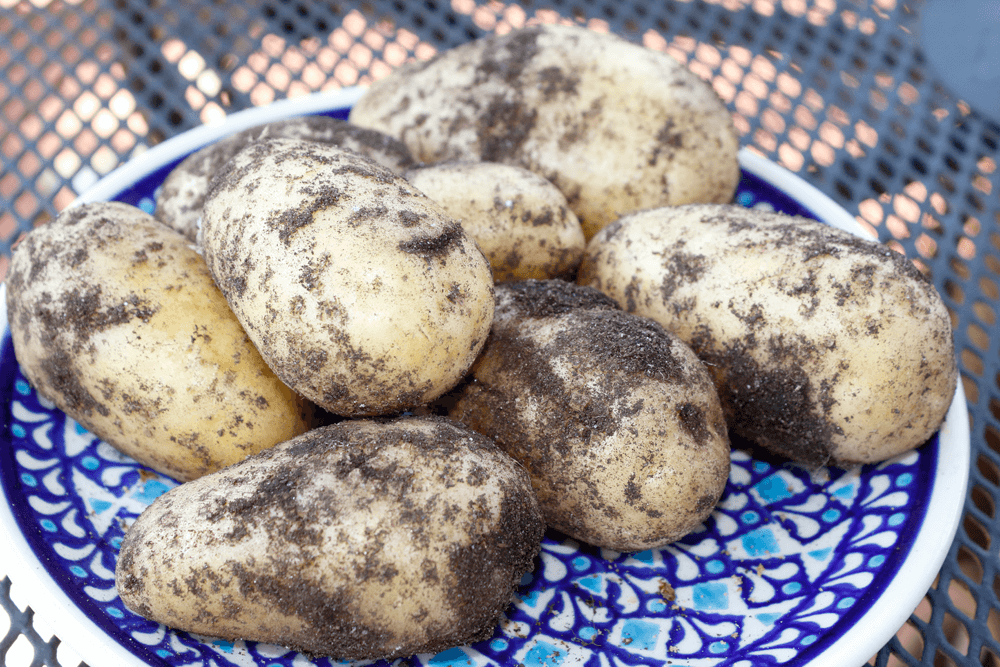
With a generous dose of compost, the garlic bulbs grew fat. As their foliage turned yellow, it was time to harvest the bulbs. It was just late summer and I knew it was going to be an agonizing wait for the bulbs to cure. But along with the garlic, little new potatoes were also ready for harvest. Autumn was a very rewarding time to be in the garden. Carrots were still ripening and a second crop of arrugula produced a tangy bite due to the cool weather.
The pandemic Victory Garden helped contribute fresh food to the family table and even enough to can some for later use. It spurred me to step up my efforts toward food self-sufficiency.

